|
|
|
|
||||||||||||||||||||||||||||||||||||||||||||||||||||||||||||||||||||||||||||||||||||||||||||||||||||||||||||||||||||||||||||||||||||||||||||||||||||||||||||||||||||||||||||||||||||||||||||||||||||||||||||||||||||||||||||||||||||||||||||||||||||||||||||||||||||||||||||||||||||||||||||||||||||||||||||||||||||||||||||||||||||||||||||||||||||||||||||||||||||||||||||||||||||||||||||||||||||||||||||||||||||||||||||||||||||||||||||||||||||||||||||||||||||||||||||||||||||||||||||||||||||||||||||||||||||||||||||||||||||||||||||||||||||||||||||||||||||||||||||||||||||||||||||||||||||||||||||||||||||||||||||||||||||||||||||||||||||||||||||||||||||||||||||||||||||||||||||||||||||||||||||||||||||||||||||||||||||||||||||||||||||||||||||||||||||||||||||||||||||||||||||||||||||||||||||||||||||||||||||||||||||||||||||||||||||||||||||||||||||||||||||||||||||||||||||||||||||||||||||||||||||||||||||||||||||||||||||||||||||||||||||||||||||||||||||||||||||||||||||||||||||||||||||||||||||||||||||||||||||||
|
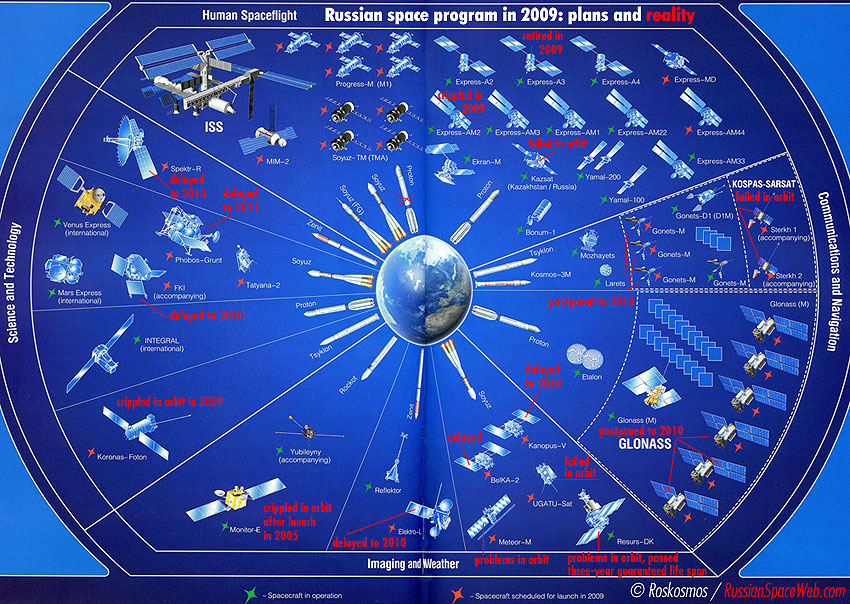
Despite the world economic crisis, Russia continued efforts to re-emerge as a space power during 2009. Russian space agency, Roskosmos, promised to conduct from 39 to 44 launches in 2009, versus 27 missions in 2008. In reality, Russia launched 32 space missions. The nation's manned space program was responsible for the increase, as a result of doubling of Russian transport vehicles heading to a nearly completed International Space Station. Even with a number of satellite launches postponed to 2010, Russia conducted more space shots than any other country in the world. So far, all passengers and payloads of Russian rockets made it to space without problems, for the exception of a Meridian-2 satellite, which ended up in a lower-than-expected orbit due to the under-performance of the Fregat upper stage. According to the head of the Russian space agency Anatoly Perminov, by the end of 2009, Russia had 61 functioning spacecraft in orbit, of which 48 operated within its projected life span. As soul-searching within the American space program reached its climax in 2009, Russia, China and India continued solidifying their future plans in space. After several years of behind-the-scene studies, Russian space agency finally felt compelled to publicize its vision in space, with a nuclear-powered space tug at its center. China continued its slow but steady advance toward independent space station and India moved forward with its plans for a domestically built manned spacecraft.
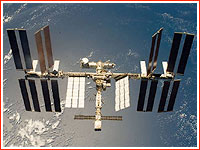
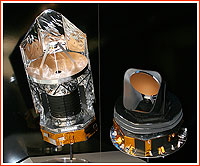
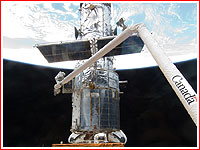
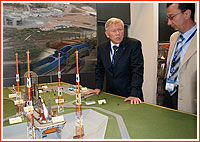
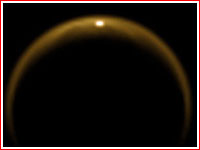
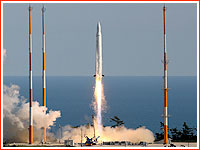
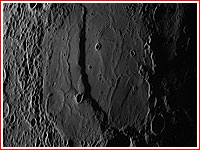
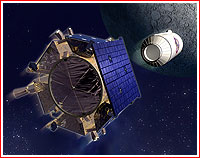
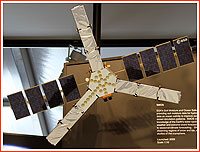
SPACE EXPLORATION IN 2009: THUMBS UP Moon's water bomb. Lunar Crater Observation and Sensing Satellite (LCROSS) hit a permanently dark crater near the lunar South Pole on October 9, in the effort to trigger an explosion carrying traces of water detectable from Earth. First observations confirmed water presence. Titan's lakes. On July 8, cameras onboard NASA's Cassini spacecraft captured a specular reflection of the Sun from the surface of Titan, a sure sign of a smooth, mirror-like substance covering some regions of Saturn's largest moon. Ideas to land a floating capsule on the alien-world lake received huge new inspiration. Enceladus' ice-covered ocean. NASA's Cassini instruments have found sodium salts in ice grains of Saturn's outermost ring. Detecting salty ice indicates that Saturn's moon Enceladus, which primarily replenishes the ring with material from discharging jets, could harbor a reservoir of liquid water -- perhaps an ocean -- beneath its surface. The project scientists made the announcement on June 25. Hubble repair. In May, NASA Space Shuttle made its fifth and last visit to the Hubble Space Telescope. This time, the crew of Space Shuttle Atlantis upgraded the world's most famous telescope to work in orbit for another five years. The telescope was then expected long outlive the Space Shuttle fleet, which delivered and maintained in space since 1990 before going into retirement in 2010. Mars rovers discoveries and tribulations. Despite long outliving their projected life span and struggling with failing systems, a pair of Mars Exploration Rovers continued their endurance journey on the Red Planet. ISS construction progress. After decades of efforts, a magnificent human outpost in the Earth orbit commenced a full-scale scientific operations with the crew of six. While a Russian segment still remained largely unfinished, its first new long-term element since 2001 was added in November. Koronas-Foton launch. Russian space science showed first signs of revival after the post-Soviet collapse with the launch of the Koronas-Foton Sun-watching satellite on January 30. Mercury exploration. For the first time since 1970s, human knowledge about Mercury was advanced dramatically thanks to data from NASA's Messenger spacecraft. Kepler, Hershel and Planck launch. A whole new generation of sophisticated space observatories was sent to space by NASA and ESA during 2009. Angara development progress. Live engine firings and South-Korean satellite launch attempt, brought the first stage of Russia's new-generation Angara rocket closer to the launch pad. SPACE EXPLORATION IN 2009: THUMBS DOWN Constellation uncertainty: Although the first prototype of NASA's next-generation rocket flew a mostly successful test mission on October 28, the future of the launch vehicle and the entire American manned space flight remained clouded during 2009. Sea Launch bankruptcy. A pioneering commercial space venture had to file for Chapter 11 on June 22 while many of its customers were defecting to competing launch providers. North-Korean satellite launch attempt. Rocket teams at an isolated Stalinist state attempted a satellite launch on April 5, 2009, which the official North-Korean media said was successful. The "satellite" reportedly relayed patriotic songs from orbit. The problem was nobody outside North Korea was able to tune in to those songs or see the satellite visually or on radar. Iranian satellite. Perhaps, not coincidently, Iran, a major customer of the North Korean rocket-proliferation bazaar, did succeed in placing a domestically built satellite into space from its own territory on February 2. Despite being a remarkable success for Iranian engineers, the achievement was clouded by questions about future use of rocket technology by a murderous regime ruling the country. Naro rocket failure. The first South-Korean satellite launch did not succeed on August 26 due to the failure of the payload fairing to separate. However representatives of Moscow-based Khrunichev enterprise said Russian-built first stage worked well. Satellite collision. Russia's defunct Strela-2M ("Arrow") satellite collided with a US Iridium communications spacecraft on February 10. Both vehicles were reportedly pulverized into a cloud of debris, stressing a danger from contaminating space. Koronas-Foton failure. Russian bid to jump-start its scientific research in space ended prematurely with the loss of the Koronas-Foton satellite just 10 months after its launch. Mars Reconnaissance Orbiter troubles. Onboard problems sent NASA's flagship Mars orbiter repeatedly into a safe mode, threatening the record-breaking mission. OCO launch failure. NASA's first dedicated mission to measure carbon dioxide from space has failed following a rocket malfunction on February 24. Phobos-Grunt bluff. Despite a stream of reports that Russia's flagship planetary mission was nowhere near readiness for launch in 2009, the Russian space agency kept refuting stories, chastising journalists, and denying rumors about the inevitable delay until the bitter end. In September, just two months before the "launch date," the delay to 2011 had finally become official. ORBITAL LAUNCH ATTEMPTS IN 2009 (as of May 6, 2024 ):
The 2009 space launch score card (as of May 6, 2024 ):
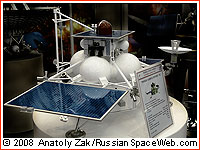
Canceled missions of 2009 2009: A Proton/Breeze M was scheduled to launch an Echostar 13 (CMBStar) satellite for an EchoStar Communications Corporation. The contract for the mission was announced on Feb. 21, 2007. Delayed from June and November 2008. By March 2009, EchoStar stopped the development of the CMBStar satellite. Mid-year 2008: A Zenit-3SLB to launch AMC-21 spacecraft for SES Global from Baikonur. The launch contract was announced on June 1, 2006. Switched to the Ariane-5 rocket. Delayed from July 2007: Shtil-2.1 booster to launch Sumbandila satellite for South Africa and Compass-3 for Russian space agency, from a submarine in the Barents Sea. (Delayed from Dec. 15 and 25, 2006, April and June 20, 2007. Switched to an Indian launch provider, then took a the hitchhiker spot on the Russian Meteor mission.) Second quarter (summer): The Soyuz-2 rocket to launch Thor 6 communications satellite for Telenor of Norway from Kourou. In the spring of 2009, the mission was delayed from the second to the fourth quarter of 2009 and was apparently had to be moved from Soyuz-2 to the Ariane-5 rocket as a result. 2009: The Russian Soyuz rocket to fly its first mission from Kourou, French Guiana, with the Australian comsat Optus D3. (Soyuz launches from Kourou were originally expected as early as 2006. The launch of Optus D3 was initially scheduled for November 2008, however by mid-2007 was pushed to March 2009. In the meantime, Optus D3 payload was switched to Ariane-5 and launched successfully in Aug. 21, 2009. (In March 2008, the first Soyuz launch from Kourou was expected by mid-2009. By mid-2008, it was delayed to the end of 2009-beginning of 2010.) Postponed from second half of 2009: A Proton M/Block DM-3 to launch a pair of Yamal-300 satellites from Baikonur.
For missions in 2010 click here This page is compiled by Anatoly Zak and S. Günes All rights reserved Last update: May 6, 2024 |
|
||||||||||||||||||||||||||||||||||||||||||||||||||||||||||||||||||||||||||||||||||||||||||||||||||||||||||||||||||||||||||||||||||||||||||||||||||||||||||||||||||||||||||||||||||||||||||||||||||||||||||||||||||||||||||||||||||||||||||||||||||||||||||||||||||||||||||||||||||||||||||||||||||||||||||||||||||||||||||||||||||||||||||||||||||||||||||||||||||||||||||||||||||||||||||||||||||||||||||||||||||||||||||||||||||||||||||||||||||||||||||||||||||||||||||||||||||||||||||||||||||||||||||||||||||||||||||||||||||||||||||||||||||||||||||||||||||||||||||||||||||||||||||||||||||||||||||||||||||||||||||||||||||||||||||||||||||||||||||||||||||||||||||||||||||||||||||||||||||||||||||||||||||||||||||||||||||||||||||||||||||||||||||||||||||||||||||||||||||||||||||||||||||||||||||||||||||||||||||||||||||||||||||||||||||||||||||||||||||||||||||||||||||||||||||||||||||||||||||||||||||||||||||||||||||||||||||||||||||||||||||||||||||||||||||||||||||||||||||||||||||||||||||||||||||||||||||||||||||||||

|