|
  
|
|||||||||||||||||||||||||||
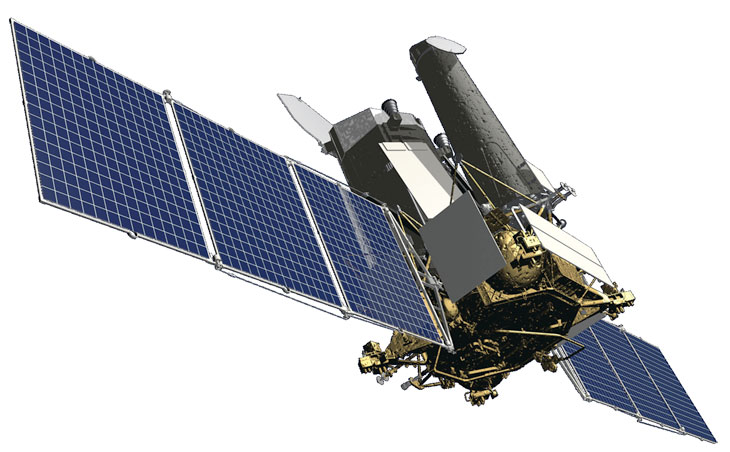
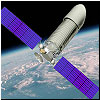
Spektr-RG revives Russian The Spektr-RG observatory, designed to capture X-ray images of far-away objects in the Universe, became a culmination of three decades of planning and a decade of work for Russian astrophysicists and their colleagues in Germany. Prepared for launch on June 21, 2019, it would be the most significant and ambitious scientific space mission in the post-Soviet Russia.
Spektr-RG at a glance (as of 2019):
|
 |
||||||||||||||||||||||||||
| PROJECT HISTORY | |||||||||||||||||||||||||||
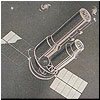 |
Conceived in the 1980s, the Spektr project envisioned a series of space observatories, which would "divide" between themselves observation of the sky in different parts of electromagnetic spectrum, from radio waves to ultraviolet light and to X-rays. The program resembled NASA's plans for a quartet of "great observatories." |
||||||||||||||||||||||||||
|
Not to be confused with the ultimately built Spektr-RG observatory, a much larger spacecraft with the same name and a very similar mission had come painfully close to reaching the launch pad two decades earlier, before the severe financial problems of the post-Soviet Russia relegated it to a footnote in the history of space exploration and to scattered museum exhibits. | ||||||||||||||||||||||||||
|
Rebirth of Spektr-RG (INSIDER CONTENT) After scrapping the original version of its X-ray observatory, the Russian Academy of Sciences still formally kept the Spektr-RG project on the books. As the financial situation improved in the second half of the 2000s, Spektr-RG was reborn as a smaller, cheaper project, but carrying a new generation of X-ray instruments. |
||||||||||||||||||||||||||
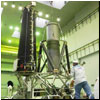 |
2009-2014: Initial development of the Spektr-RG project With the 2009 agreement between Germany and Russia, the full-scale development of Spektr-RG went ahead. In the next five years, specialists in both countries were building their respective instruments, while NPO Lavochkin in Russia worked on the spacecraft prototypes and the service module for the mission. In 2013, a problem with electronics delayed the delivery of German eROSITA telescope by a year and a half. |
||||||||||||||||||||||||||
|
2015: Spektr-RG slips into 2017 At the beginning of 2015, a combination of several technical problems required to postpone the launch of Spektr-RG from 2016 to March 2017. However even the new launch date stayed on the books only until around August 2015. By the end of 2015, the launch of Spektr-RG was postponed from the first quarter of 2017 to Sept. 25, 2017. |
||||||||||||||||||||||||||
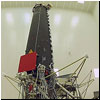 |
After completion of all tests, the ART-XC telescope was finally delivered from RKTs Progress in Samara to NPO Lavochkin by Dec. 27, 2016. In the meantime, Roskosmos hatched a very controversial plan to change the launch vehicle for the mission from Zenit to Proton. On December 2, Russian officials informed the project participants that the switch had been approved. | ||||||||||||||||||||||||||
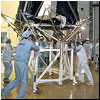 |
On January 20, 2017, the flight version of the eROSITA telescope finally departed Germany for Russia. However, the final assembly of the orbital observatory hit a snag again, forcing a six-month postponement of its launch. | ||||||||||||||||||||||||||
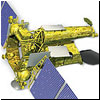 |
During 2018, Russian specialists conducted assembly and testing of the Spektr-RG in preparation for launch in the following year. By the end of the year, NPO Lavochkin planned the launch only at the end of the Spring 2019 window, either between April 1 and 2 or between April 12 and 13. | ||||||||||||||||||||||||||
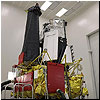 |
2019: Final tests (INSIDER CONTENT) In early months of 2019, joint Russian-German team performed the final tests on the observatory, before shipping the spacecraft to Baikonur Cosmodrome on April 25. Although most glitches encountered during testing have been successfully resolved, taken together they pushed the seminal mission beyond the favorable launch window in the Spring of 2019 to June 21. |
||||||||||||||||||||||||||
 |
2022-2026: German telescope ends operations (INSIDER CONTENT) After around two years of successful operations aboard Russia's Spektr-RG space telescope orbiting the L2 Earth-Sun Lagrange point, Germany's eRosita telescope was turned off in the wake of the Russia's full-scale invasion of Ukraine. The largest catalog of X-ray sources, including around 900,000 objects, compiled with the eRosita instrument during its all-sky survey was published on Jan. 31, 2024. The remaining Russian instrument continued functioning and on June 10, 2026, the Space Council of the Russian Academy of Sciences formally extended the operation of the Spektr-RG spacecraft for five more years. |
||||||||||||||||||||||||||
MISSION AND TECHNOLOGY |
|||||||||||||||||||||||||||
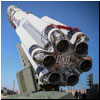 |
The initial attempt to launch the Proton rocket with the Spektr-RG observatory on June 21, 2019, had to be cancelled due to a technical problem discovered during tests on the launch pad in a battery of the upper stage. It forced to postpone the mission until July 12, 2019. However, an issue with the rocket's insulation required another 24-hour delay to July 13. | ||||||||||||||||||||||||||
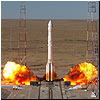 |
Proton sends Spektr-RG into deep space After two delays from June 21 and July 12, the Proton rocket lifted off with the Spektr-RG astrophysics observatory on July 13, 2019. In following two hours, the Block DM-03 upper stage successfully sent the spacecraft toward the L2 Lagrange point in the Earth-Sun system, the first Russian or Soviet mission to do so. |
||||||||||||||||||||||||||
 |
Spektr-RG sails to its deep-space destination (INSIDER CONTENT) With the successful launch, the riskiest part of the Spektr-RG mission was over, but many other major challenges lay ahead. For the first time, the absolute majority of mission controllers sitting at ground stations across Russia had to do something they had never done before -- navigating a spacecraft so far in deep space. Still, on October 21, 2019, ground control successfully inserted the spacecraft into orbit around L2. |
||||||||||||||||||||||||||
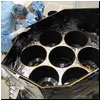 |
Activation of the eROSITA telescope (INSIDER CONTENT) On August 23, 2019, Peter Predehl, the leader of the eROSITA team, announced that the first camera on the seven-telescope cluster had been activated and worked perfectly. The first X-ray image produced by one of the telescope modules on eROSITA was received on August 26. However, in August and September 2019, eROSITA also experienced mysterious software problems. |
||||||||||||||||||||||||||
Scientific mission (under construction) Creators of the Spektr-RG spacecraft promised a revolutionary data in the field of the so-called high-energy astrophysics. Unlike previous orbital X-ray telescopes, such as European XMM Newton and NASA's AXAF Chandra, which were equipped with instruments with narrow angles of view, Spektr-RG would enable a wide-angle survey of the sky. |
|||||||||||||||||||||||||||
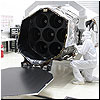 |
One of the two telescopes aboard the Spektr-RG observatory was developed at the Max Planck Institute for Extraterrestrial Physics, MPE, in Germany under leadership of Peter Predehl. Known as extended ROentgen Survey with an Imaging Telescope Array, or eROSITA, the instrument features a cluster of seven telescopes designed to detect sources of X-ray radiation throughout the Universe. |
||||||||||||||||||||||||||
 |
The Russian-built instrument aboard the Spektr-RG orbital observatory will be ART-XC, which stands for Astronomical Roentgen Telescope - X-ray Concentrator. Paired with the German eROSITA payload, ART-XC will have a narrower field of view and different though overlapping sensitivity range to X-rays emanating from space. |
||||||||||||||||||||||||||
 |
Like all other space observatories in the Spektr series, the Spektr-RG mission was built around the standard Navigator platform, which served as a service module for the spacecraft. It provided navigation, power-supply and flight control functions for the Spektr-R mission. |
||||||||||||||||||||||||||
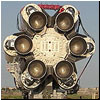 |
After switch from the Zenit rocket, the Spektr-RG mission was assigned to a Proton rocket manufactured in 2013 for the Ministry of Defense to deliver a trio of GLONASS navigation satellites. The warranty for the rocket was about to expire at the time of the Spektr-RG launch on June 21. |
||||||||||||||||||||||||||
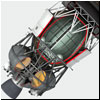 |
The initial orbital maneuvers of the Spektr-RG would be performed with the fourth Block DM-03 upper stage. The space tug manufactured in 2011 had to be re-certified for flight, because its warranty had expired before the launch of observatory. |
||||||||||||||||||||||||||
|
|
||||||||||||||||||||||||||

|